The U.S. Court of Appeals for the Fifth Circuit seemed inclined to rule in Texas’ favor in a hearing Thursday on Senate Bill 4, a major border security bill passed in 2023.
The law would create state criminal offenses for illegal entry, enabling Texas to incarcerate illegal aliens and order them to leave. First offenders would be charged with a misdemeanor, and subsequent offenses could face a felony punishable by at least two years in prison and up to $10,000 in fines. State judges could also dismiss penalties for first-time offenders who agreed to voluntarily return across the border.
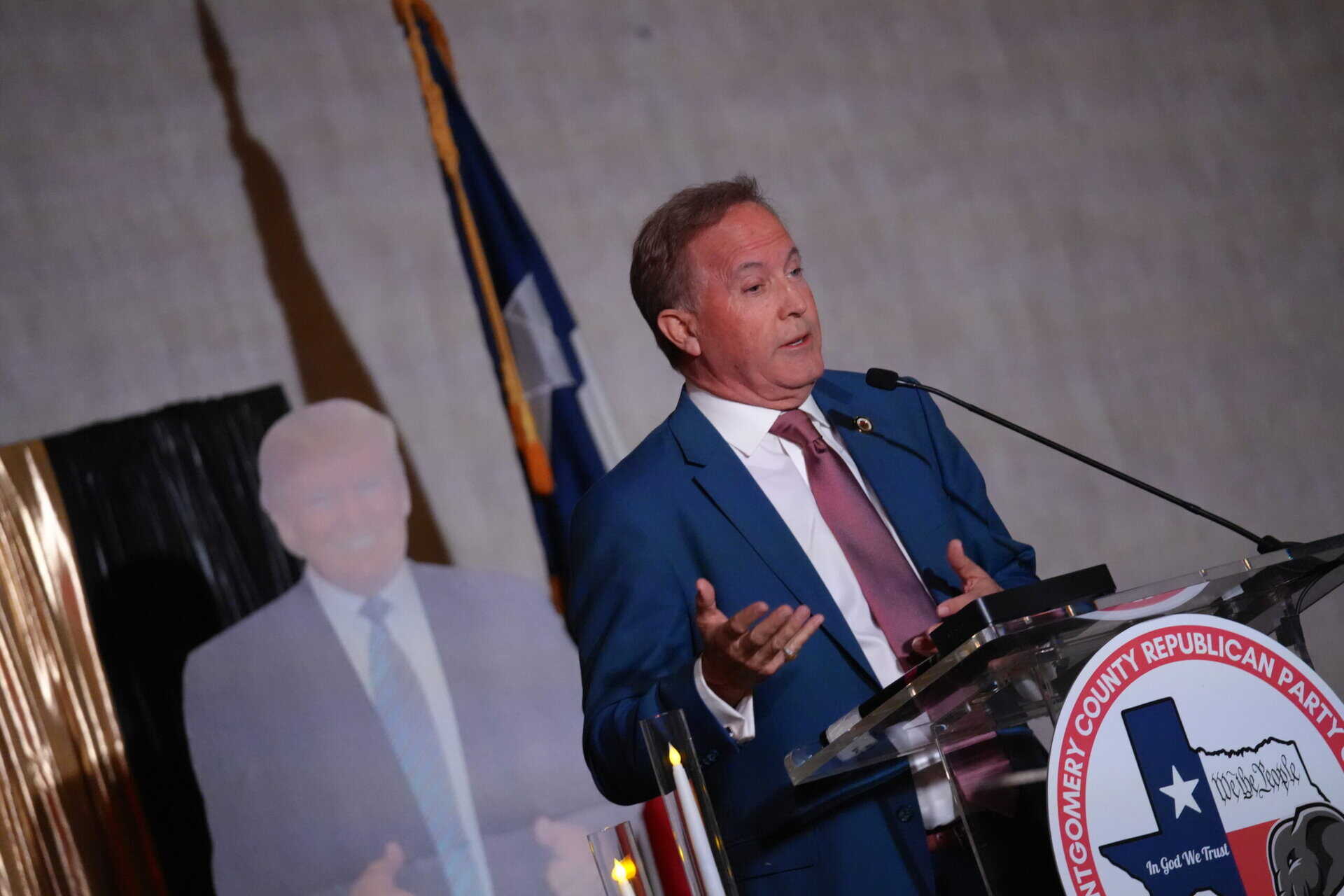
“This law is critical for defending Texas’ fundamental right to protect Texans against illegal immigration,” Texas Attorney General Ken Paxton told Texas Bullpen in a statement provided after the hearing, promising to “continue to aggressively defend” SB 4.
During Thursday’s hearing, the main issues at hand centered around whether the primary plaintiff — an El Paso-based nonprofit called Las Americas Immigrant Advocacy Center — had standing to sue Texas at all, and if federal immigration law preempted Texas from enforcing SB 4.
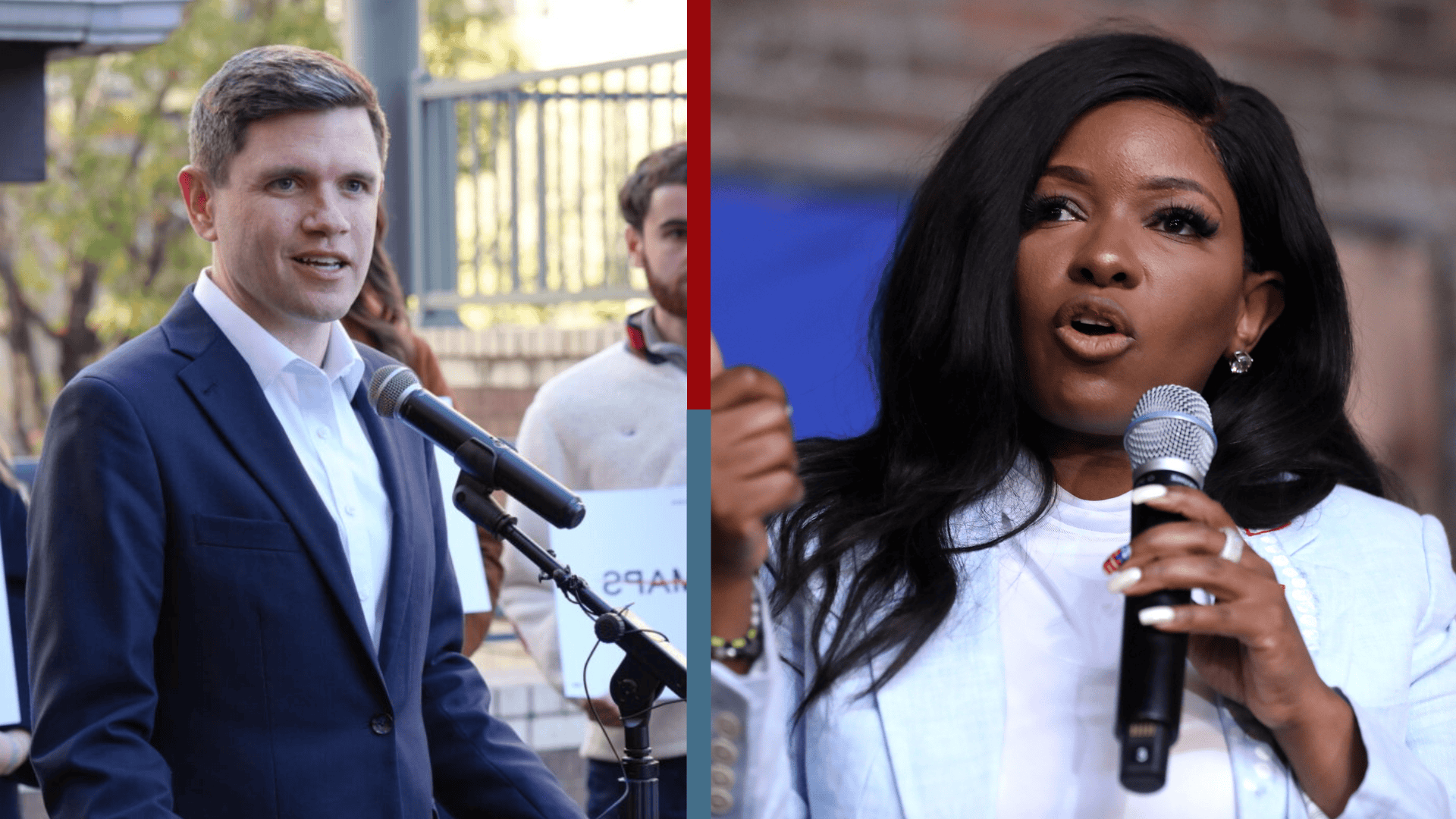
Texas Solicitor General William Peterson asked the court, which was sitting en banc, to overturn a split panel decision from last year upholding the injunction against the law and to find that Las Americas did not have standing.
Peterson argued that under U.S. Supreme Court precedent, just because an organization might reallocate financial resources in response to a law does not mean that the group suffered a cognizable injury necessary for standing. Further, Peterson suggested that there is no conflict between federal law and SB 4, meaning there would be no preemption.
Cody Wofsy, a lawyer with the American Civil Liberties Union representing Las Americas, pushed back on Texas’ points.
“Entry and removal are clearly federal,” he said, adding that the state law would not allow a path for aliens who entered illegally to claim asylum.
“Where’s the constitutional right to asylum?” Judge Edith Jones asked him. “Isn’t asylum just so you can have something pending for 10 years?”
Several judges also pressed on the issue of standing, asking if there was anything beyond the reallocation of advocacy funds that would impact Las Americas. The group would be representing immigrants charged under the law, Wofsy said, though he did not know if Las Americas had represented anyone over the past year when asked by Judge Andrew Oldham.
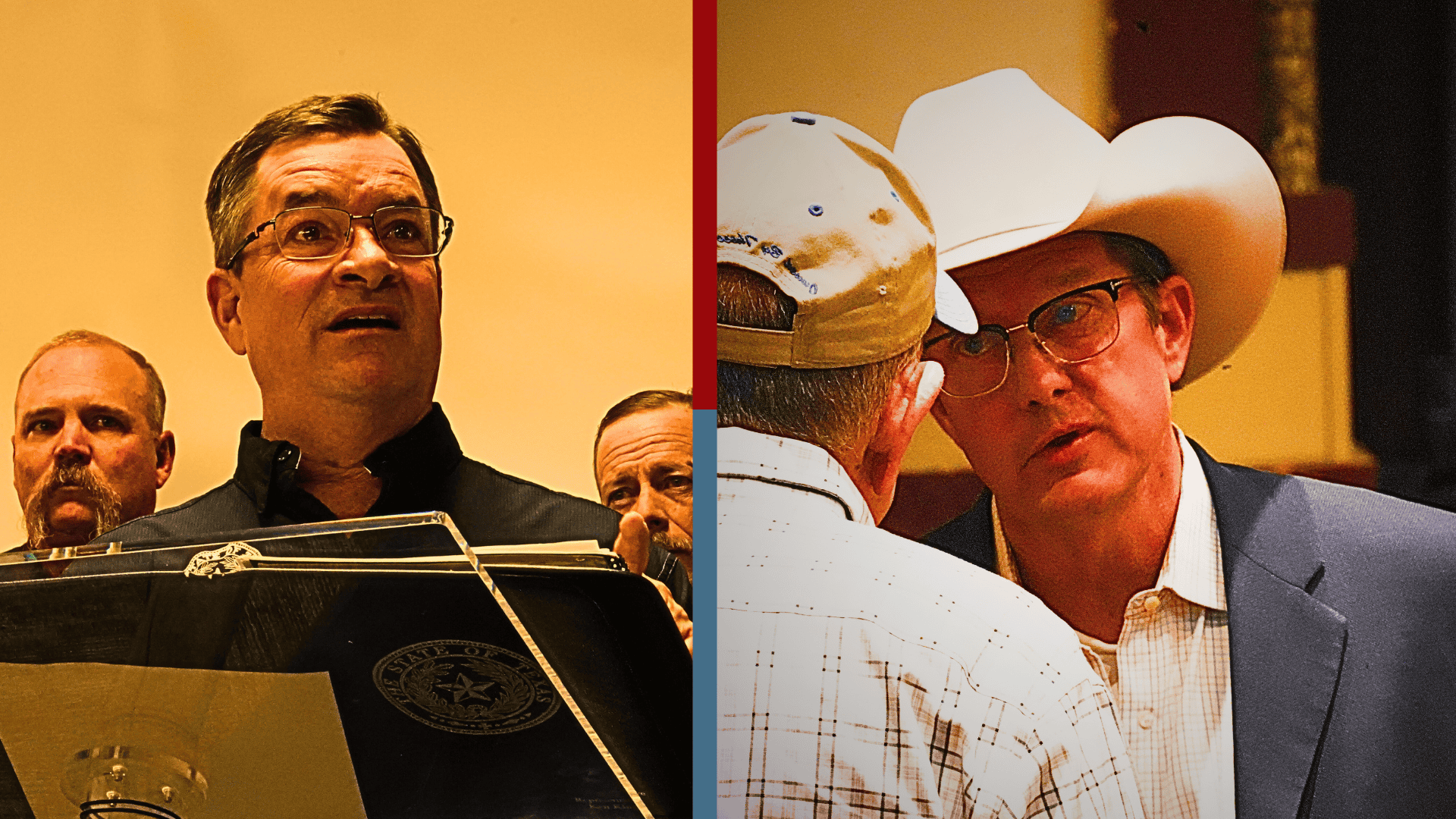
State Rep. David Spiller (R-Jacksboro), who authored SB 4 during the 2023 legislative session, attended the hearing. He thanked Paxton and his office for defending the law and praised Peterson “for his well-reasoned, effective and compelling argument.”
Most of the judges’ questions appeared favorable to Texas’ case, potentially indicating a positive ruling in the coming months. Until then, SB 4 remains enjoined. Either way the case is decided, a trip to the U.S. Supreme Court will likely be in order.