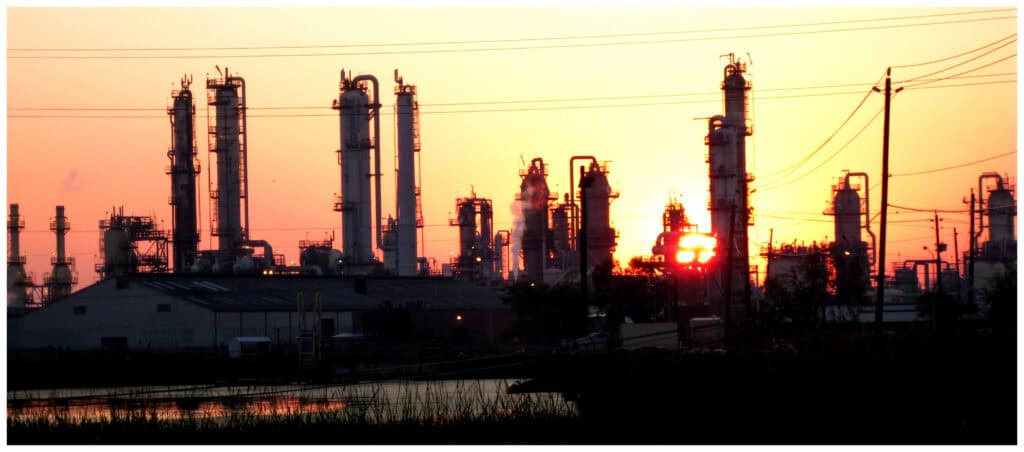
Governmental entities across Texas received $27 billion in taxes and royalties from the oil and gas industry, according to a recent annual report from the Texas Oil and Gas Association (TXOGA).
Broken up further, the industry paid $8.6 billion in property taxes, $6.1 billion in state and local sales taxes, $5.4 billion related to oil production, $3.2 billion in royalties to state funds, and $2.5 billion from natural gas production.
In a message introducing the report, TXOGA President Todd Staples described the oil and gas industry as “the single largest generator of tax-like revenues per employee” that funds the state’s public education, transportation, public safety, and health care systems.
The report also suggested that more than 1.4 million jobs were generated and $779 billion was added to Texas’ gross state product, thanks to the direct and indirect impact of the oil and gas industry. The average wage among the industry’s nearly 500,000 employees was $133,095. The report claimed, however, that the tax burden per worker was seven times heavier than an average private-sector job: $54,481 annually compared to $7,225.
“This 7.5X differential underscores the disproportionate role the industry plays in financing state and local government services,” the report said. “By this measure, the Texas oil and natural gas industry not only pays its share – it pays far more than its share, underwriting the government services upon which every Texan depends.”
Texas Railroad Commission Chairman Jim Wright promoted TXOGA’s findings, adding that the oil and gas industry “doesn’t just provide fuel; it provides the high-paying jobs that sustain our communities.”
“Texas is committed to fostering the innovation and infrastructure needed to ensure that our energy remains the most efficient and responsible in the world,” Wright said.
The Railroad Commission, despite its name, has no authority over railroads in Texas but instead operates as the primary regulatory body over the oil and gas industry. Wright currently leads the commission, with Christi Craddick and Wayne Christian rounding out the three-person body.
In the wake of U.S. military intervention in Venezuela, the Texas oil industry has already reacted to the changing international scene. President Donald Trump announced on Tuesday that Venezuela would give the United States anywhere from 30 to 50 million barrels of oil which would be sold “at its Market Price, and that money will be controlled by me, as President of the United states of America, to ensure it is used to benefit the people of Venezuela and the United States!”
Venezuela’s 300 billion barrels of oil reserves will have an undeniable impact on America’s energy sector, regardless of how the current military intervention shakes out. For now, Texas stands as the fourth largest oil producer in the world if it were its own nation and the number one state in America for the production of crude oil and natural gas, as noted in the TXOGA report.
The downwind effects of the industry’s tax production fuels Texas governmental entities at the state and local levels. In some West Texas counties, the property tax payouts represent more than 90% of the total tax base.